Evergreen and Denver's boutique real estate brokerage, built on satisfied client referrals. Smart guidance, responsive service, and a strategy shaped around you.
A real estate relationship should feel informed, candid, and genuinely one-to-one.
Roost Realty is an Evergreen and Denver boutique brokerage grounded in referrals—not volume for volume's sake. We pair local market fluency with close attention to the details that can change an outcome.
Whether you're moving across town, preparing a home for market, or buying for the first time, you get clear advice and a steady advocate from the first conversation through closing.
Denver knowledge. Boutique attention.
Meet the founder
Heather May Charbonneau
Founder / Owner · Roost Realty LLC
Heather leads Roost Realty as an Evergreen and Denver boutique brokerage built on referrals and personal service.
Every home value request comes directly to Heather. She personally prepares the comp sales analysis, then reaches out to walk you through what your property could command in today's market.
Local experience, distinct perspectives, and direct access to the agent guiding your move.
Amanda Vela-Charbonneau
Broker Associate · The Vela Ranch Team
Raised in Colorado, Amanda loves sharing her home state's beauty, recreation, and standout properties — serving clients in both English and Spanish. A 3x award-winning artist and Denver entrepreneur who managed the Red Wolf Gallery artist co-op, she's on a mission to get art lovers into homes with enough wall space.
Born and raised in Seattle, Ellie spent eight years in residential design and construction before earning a graduate degree in real estate and construction management at the University of Denver. She brings a designer's eye to every deal — helping sellers maximize a property's value and buyers see a home's true potential.
With a background in culinary arts and restaurant management, Sam brings genuine hospitality to real estate. She co-founded The Vela Ranch Art Studio with her sister Amanda — together the sisters serve English and Spanish-speaking clients across the Denver metro.
Amanda serves buyers and sellers across the Denver metro — from Littleton and Golden to LoDo, the Highlands, Washington Park, and the Santa Fe Art District.
Different goals call for different strategies. Roost keeps the process focused, from the numbers and negotiations to the choices that make a place feel right.
01 / Buying
Find the right fit.
Define what matters, understand where the value is, and move decisively when the right home appears. We help buyers read the neighborhood, the property, and the leverage behind the asking price.
In a selective market, preparation and pricing do the heavy lifting. We shape the story, launch with intention, and negotiate around your priorities—not a generic playbook.
Squatters’ rights in Denver: Colorado’s process and Wyoming’s answer
Colorado provides a court-led process for qualifying unauthorized-occupant cases. Wyoming chose a faster, law-enforcement-led path. This guide compares the safeguards and outlines a careful reform agenda for Colorado’s small landlords.
If you search “squatters rights Denver,” you will find plenty of summaries. The central issue is not whether an unauthorized occupant can acquire ownership by producing paperwork—they cannot. The practical question is which lawful process applies when permission, tenancy, or residency is disputed.
How Colorado handles disputed occupancy
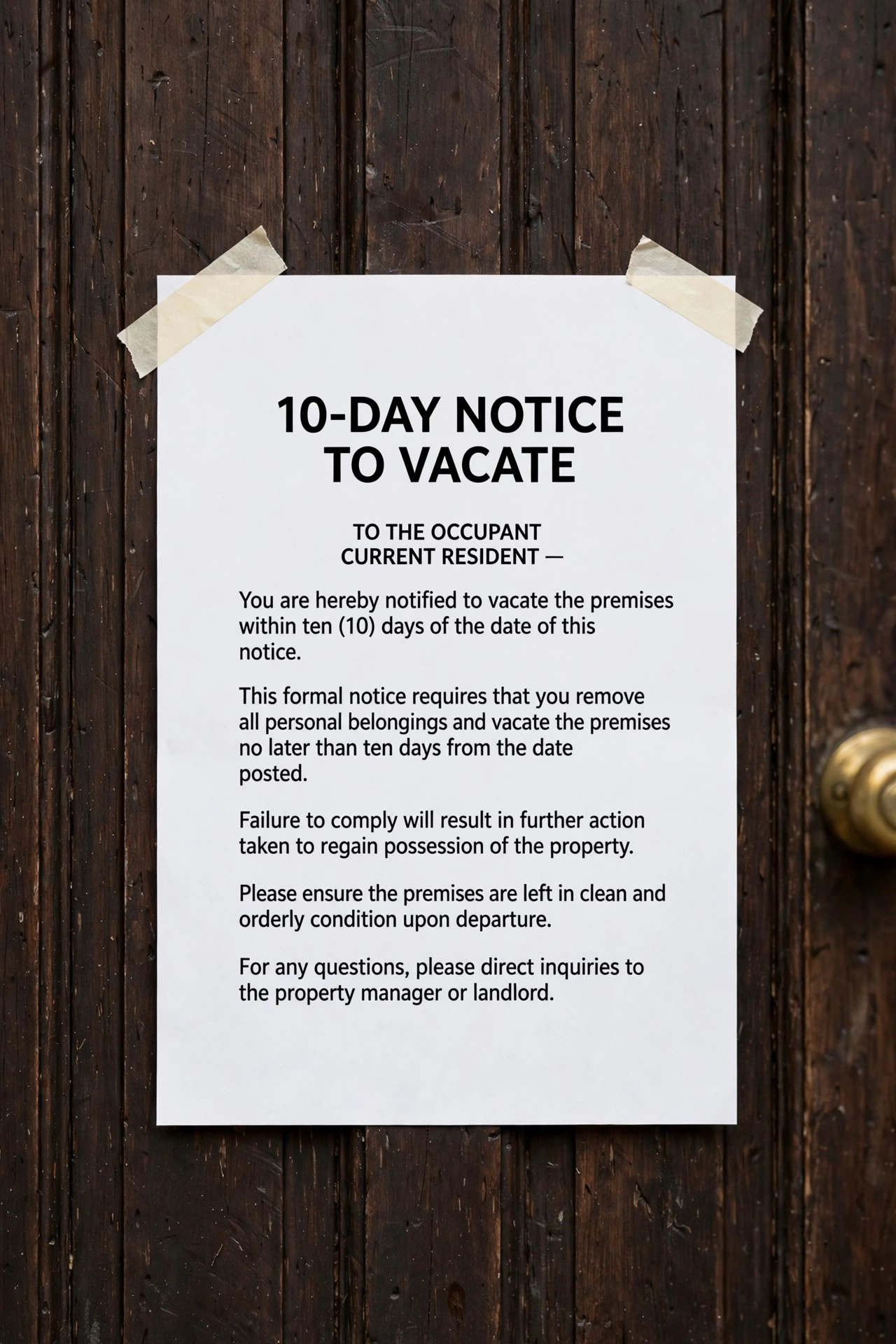
Colorado distinguishes tenant disputes from cases involving people who entered and remain without authorization. Under SB18-015, an owner or authorized agent may file a complaint and verified motion for a temporary mandatory injunction in county court. The court must schedule a hearing as soon as practicable, no later than the next court date. If the injunction is granted, the sheriff must remove the unauthorized occupant within 24 hours after receiving the order.
The court is the gatekeeper. A lease, permission, payment history, or another credible claim of right may place the dispute outside this narrow process and into ordinary landlord-tenant proceedings. Owners should preserve deeds, lease records, payment history, communications, condition photos, and any lawful video evidence, then ask a Colorado attorney which procedure fits the facts.
A Denver-area duplex at dusk.
Do not use a utility shutoff or lockout.Colorado bars willful, unlawful self-help that terminates a tenancy through a lockout, utility shutoff, or removal of doors or windows. Potential civil exposure includes actual damages plus the greater of three times monthly rent or $5,000, along with costs and attorney fees. The lawful route depends on whether the occupant is a tenant or truly unauthorized, so get Colorado legal advice before acting.
What Wyoming passed—and why Colorado landlords are paying attention
Wyoming’s 2025 Senate File 0006, enacted as Senate Enrolled Act No. 20, is titled “Residential Property Removal of Unlawful Occupant.” Gov. Mark Gordon allowed it to become law without his signature after raising due-process concerns. It took effect July 1, 2025.
The law creates a limited alternative remedy for owners facing unauthorized occupants who are not current or former tenants and are not the owner’s immediate family. An owner or authorized agent files a sworn complaint with law enforcement under penalty of perjury. After verifying record ownership and the statutory conditions, officers must give notice to vacate “without delay” and put the owner back in possession.
The guardrails matter
The person must have entered unlawfully and remained without authorization.
There can be no pending litigation between the owner and occupant.
Current or former tenants under written or oral rental agreements are excluded.
Spouses, children, and parents of the owner are excluded.
A wrongful removal can lead to restoration of possession, actual damages, three times fair-market rental value for the removal period, court costs, and attorney fees.
Once notice is served or posted, the owner may ask law enforcement to stand by while locks are changed and personal property is moved to or near the property line. This is not permission for ordinary landlord self-help; it is a statutory process limited to qualifying unauthorized occupants and supervised by law enforcement.
Wyoming also targeted document fraud and property damage
The act makes it a misdemeanor to knowingly present a false lease, deed, or other instrument in order to remain on property—punishable by up to six months in jail and/or a $750 fine. Fraudulently advertising or leasing property you do not own can be a felony punishable by up to two years and/or $5,000.
It also creates a felony carrying up to 10 years in prison and/or a $10,000 fine when someone unlawfully occupies or trespasses in a dwelling and knowingly damages property there, regardless of the dollar amount of damage. The law does not specifically identify mail or a bank statement as fraudulent occupancy documents; it targets false leases, deeds, and other instruments purporting to convey real-property rights.
Wyoming versus Colorado: the key difference is the gatekeeper
Wyoming
The owner’s sworn complaint goes directly to law enforcement. The sheriff verifies record ownership and, if the criteria are met, acts “without delay.” No judge’s order is required first.
Colorado
Under SB18-015, an owner files a complaint and verified motion for a temporary mandatory injunction in county court. A judge hears the matter as soon as practicable, no later than the next court date; the sheriff then acts within 24 hours of receiving the order.
Colorado already recognizes a distinction between tenants and unauthorized occupants. But its 2018 pathway retains a judge as gatekeeper. Wyoming’s new pathway moves the first decision to law enforcement, balancing that speed with a sworn complaint, owner verification, carveouts for tenants and family, and significant damages for wrongful removal.
That balance is the real policy question. Gov. Gordon said owners deserve an effective, efficient, and fair process, but warned that adequate due process is still needed so authorized occupants are not harmed by an erroneous request. Colorado should not copy a headline; it should debate the actual safeguards.
What Colorado’s small landlords should ask for
Colorado landlords can ask city councils, county commissioners, sheriffs, district attorneys, and state legislators to work together on a narrow unauthorized-occupant remedy—not a shortcut around tenant protections. The most productive request is specific:
Create a fast, clearly defined process. Set firm timelines for judicial review and sheriff execution when a verified owner alleges unlawful entry by a non-tenant.
Keep tenant disputes out of it. Exclude current and former tenants, family members, and cases with pending litigation, as Wyoming does.
Address fraudulent documents directly. Create clear penalties for knowingly presenting fake leases, deeds, or other instruments to claim possession.
Preserve due process. Require a sworn filing, ownership verification, documented notice, and meaningful remedies when an owner makes a false claim.
Fund the people who execute the law. A statutory remedy means little if courts and sheriff civil units do not have enough staff to move legitimate cases promptly.
Publish performance data. Ask agencies to report filing volumes, processing times, removal outcomes, fraud referrals, and wrongful-removal claims so reforms can be judged by evidence.
When you contact a governing authority, lead with the distinction: this is about people who were never tenants and never had the owner’s authorization. Ask what current expedited remedy is actually available, how long it takes locally, and whether officials would support a guarded process modeled on Wyoming’s law while preserving Colorado due process.
Own a Denver-area rental?
Roost Realty can help you think through the property side of the problem and connect you with the right local resources. For legal advice or an active removal, speak with a qualified Colorado landlord-tenant attorney.
Occupying a property or receiving mail there does not automatically create ownership or a legal tenancy. But a disputed claim of residency can move the matter into a civil process, so Colorado property owners should avoid self-help and get fact-specific legal guidance.
Does receiving mail establish residency or tenant rights in Denver?
A piece of mail or bank statement does not by itself create a lease, tenancy, or ownership right. It can, however, be presented as evidence of residency and complicate an officer’s decision at the scene.
How do you legally remove a squatter in Colorado?
Depending on the facts, an owner may need the eviction process or may be able to use Colorado’s county-court injunction procedure for unauthorized occupants. The expedited route is narrow, and owners should consult a licensed Colorado real estate attorney before choosing a path.
Can a Denver landlord change the locks or shut off utilities?
Once an occupancy dispute is treated as a civil matter, changing locks or terminating essential services can create legal exposure for the owner. Do not use self-help; follow the court process or another lawful procedure with legal guidance.
What did Wyoming change for unauthorized occupants?
Wyoming’s 2025 SF0006 created a law-enforcement-led removal process for qualifying unauthorized occupants who are not current or former tenants or immediate family members. It also added penalties for fraudulent occupancy documents and for unlawful occupancy paired with knowing property damage.
General information only. This article is not legal advice and does not create an attorney-client relationship. Occupancy, tenancy, eviction, criminal-trespass, abandoned-property, and utility rules are fact-specific and can change. Consult a qualified Colorado attorney before taking action.